Where Are Taylor Guitars Actually Made? (And Why the Price Jumps)
It’s one of the most common questions we get at the shop. A player from Harrisburg or York drives down, walks into Tone Tailors, and starts browsing our Taylor wall. They strum an Academy Series, then pick up a 314ce, look at the price tags, and ask: "Wait, why is this one three times the price? Where are these even made?"
The answer is actually a fascinating story of logistics, geography, and smart manufacturing.
Unlike many guitar brands that offshore their affordable models to completely different continents (and often completely different third-party factories), Taylor Guitars are all made in-house. The catch? That "house" is split across an international border, separated by a 40-mile drive.
Here is exactly how Taylor splits their production, and what it means for the guitar in your hands.
Tecate, Mexico: The Gateway to Taylor
If you are looking at an entry-level to mid-tier Taylor, it was built in their state-of-the-art facility in Tecate, Baja California, Mexico.
This factory produces the following models:
- Baby Taylors & Big Babys
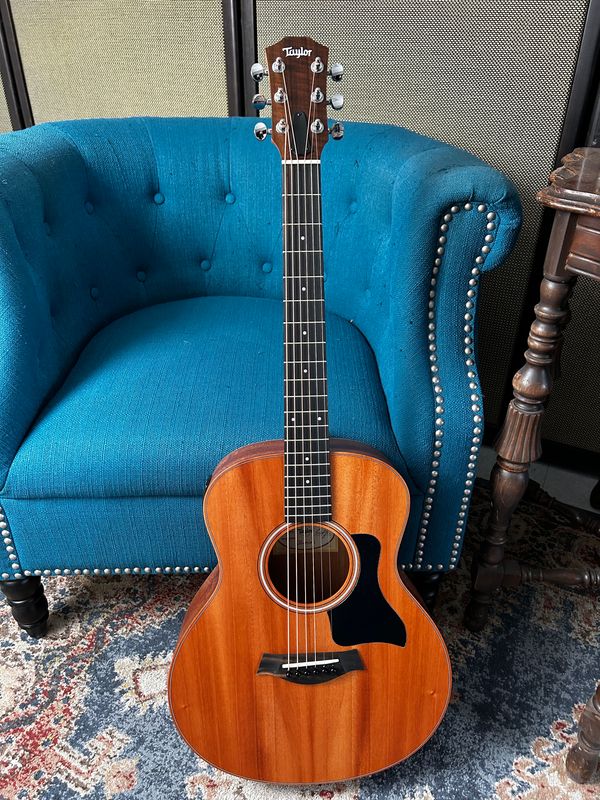
- GS Mini Series (Arguably the most popular travel guitar on earth)
- Academy Series
- 100 Series
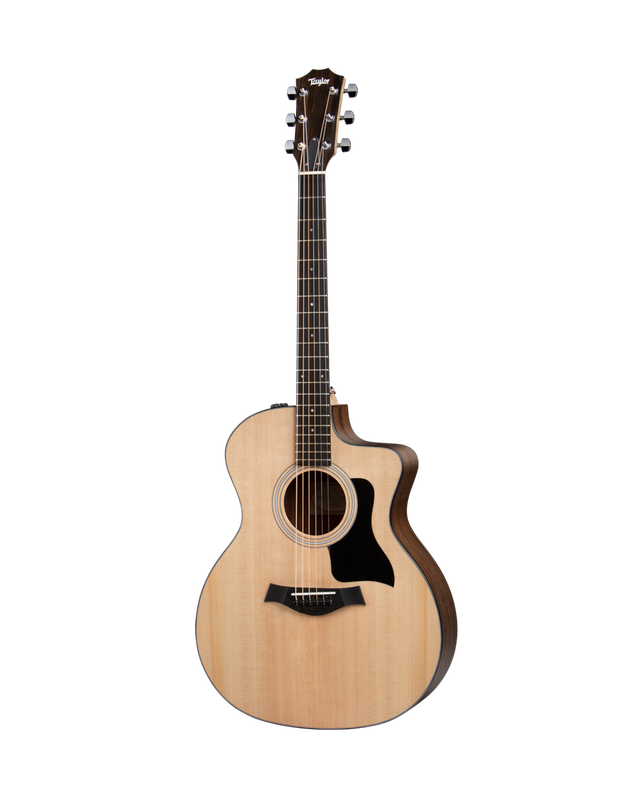
- 200 Series
Why the lower price? The Tecate factory focuses on models that utilize layered wood construction for the back and sides (paired with solid wood tops). Layered wood is significantly more resilient to humidity and temperature changes, making these guitars perfect for traveling, gigging out in unpredictable weather, or leaving on a stand in a drafty room. Furthermore, the manufacturing processes here are highly streamlined for scale, allowing Taylor to offer their legendary playability and neck profiles at a much more accessible price point.
El Cajon, California: The Flagship Factory
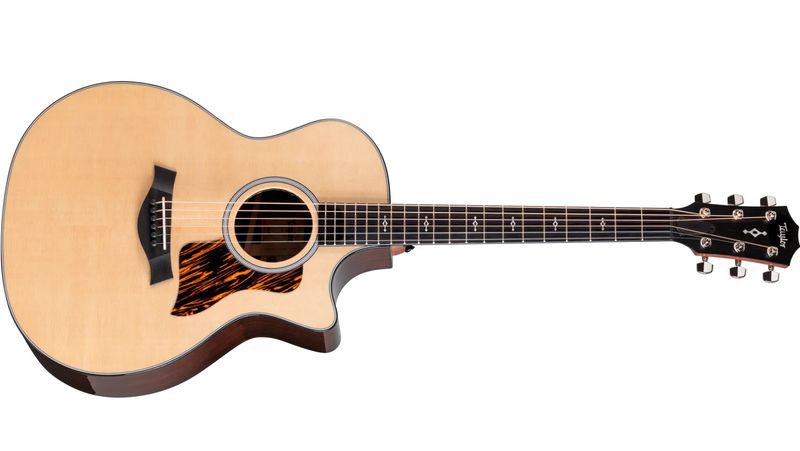
If you pick up a Taylor with a series number starting with a 3 or higher, it was built at their global headquarters in El Cajon, California—just outside of San Diego.
This includes:
- 300 Series and up (400, 500, 600, 700, 800, 900 Series)
- Presentation Series
- Custom Build / Build to Order (BTO) models
Why the higher price? The El Cajon factory is where Taylor builds their all-solid wood guitars. From solid Sitka Spruce and Western Red Cedar tops to solid Rosewood, Mahogany, and Koa backs and sides, these instruments represent the pinnacle of their craftsmanship. All-solid wood guitars require significantly more time, specialized tooling, and climate control to build. They also feature premium appointments, complex V-Class bracing, and a much more labor-intensive finishing process. The result is a guitar with maximum resonance, complex overtones, and a voice that will actually "open up" and improve as the wood ages over decades.
The 40-Mile Difference
The brilliant part of Taylor's operation is the proximity. Because the Tecate factory is only a 40-mile drive from the El Cajon headquarters, the two facilities share the exact same engineering standards, quality control protocols, and even tooling. The same master builders oversee operations at both locations.
When you buy a Mexican-made Taylor, you aren't getting an outsourced replica; you are getting a guitar designed and engineered by the exact same team that builds their $5,000 flagship models.
If you're still on the fence about whether the jump to an all-solid El Cajon model is worth it for your playing style, come visit us at Tone Tailors at 617 N Prince St. in Lancaster. Sit down in our acoustic room, play a 214ce back-to-back with a 314ce, and let your ears make the final call.
Powered by Lightspeed
Display prices in:USD