Built Like a Tank, Sounds Like a Dream: Why Boss Pedals Rule the Roost
Walk into any music store, glance at any professional guitarist's pedalboard, or simply scroll through social media, and you'll consistently see one brand dominating the landscape: Boss. For decades, these colorful, compact stompboxes have been a ubiquitous presence in the music world, earning a reputation for reliability, quality, and inspiring tone. But what exactly makes Boss pedals so good and so respected in an industry brimming with countless boutique and high-tech alternatives?
Let's break down the pillars of Boss's enduring legacy:
1. Indestructible Durability: The "Built Like a Tank" Legend
Perhaps the most legendary aspect of Boss pedals is their near-invincible construction. Made with robust die-cast aluminum chassis, these pedals are famously tough. Stories abound of Boss pedals surviving falls, spills, and even being run over by vehicles – and still working flawlessly. This isn't accidental; Boss engineers have rigorously tested their designs for decades, ensuring every component, from the heavy-duty casing to the footswitch (rated for over 100,000 stomps!), can withstand the rigors of touring and relentless use. For gigging musicians, this reliability is paramount; a pedal that you can trust night after night is priceless.
2. Consistent, Quality Tone: The Sound You Can Count On
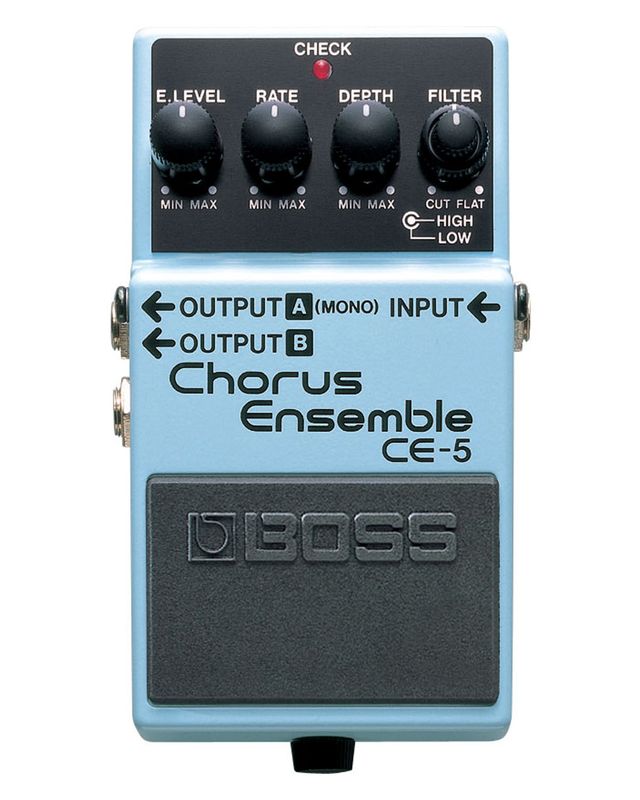
While some boutique pedals might offer niche sounds or hyper-specific nuances, Boss pedals are renowned for delivering consistently excellent, usable tones across their vast range. From the iconic saturation of the DS-1 Distortion and the warm push of the SD-1 Super Overdrive to the lush swirls of the CE-2W Chorus and the crystal-clear repeats of the DD-3T Digital Delay, Boss has created industry-standard sounds that have shaped countless recordings and live performances.
They pioneered innovations like silent FET switching and asymmetrical clipping (in the original OD-1), which provided unique, analog-sounding characteristics. Even as technology evolved, Boss embraced digital processing, continually refining their algorithms to offer high-quality effects, whether you prefer classic analog warmth or modern digital precision.
3. User-Friendly Design & Ubiquitous Availability
The compact, standardized design of Boss pedals, first launched in 1977, was a game-changer. They addressed common issues of the time, such as noisy switching, difficult battery access, and lack of AC adapter compatibility. Their simple, intuitive layouts with recessed knobs (to prevent accidental adjustments) and easily accessible battery compartments made them incredibly practical for musicians.
This consistent design, coupled with their widespread availability, makes them incredibly appealing. No matter where you are in the world, you're likely to find a Boss pedal when you need one. For touring professionals, this is a huge advantage – if a pedal fails on the road, a replacement is often just a local music shop away, unlike many smaller-batch, boutique alternatives.
4. Innovation & Adaptation: Staying Ahead of the Curve
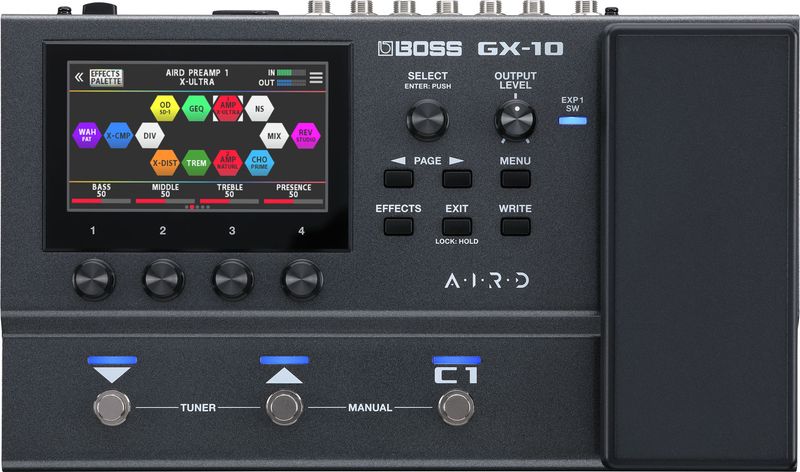
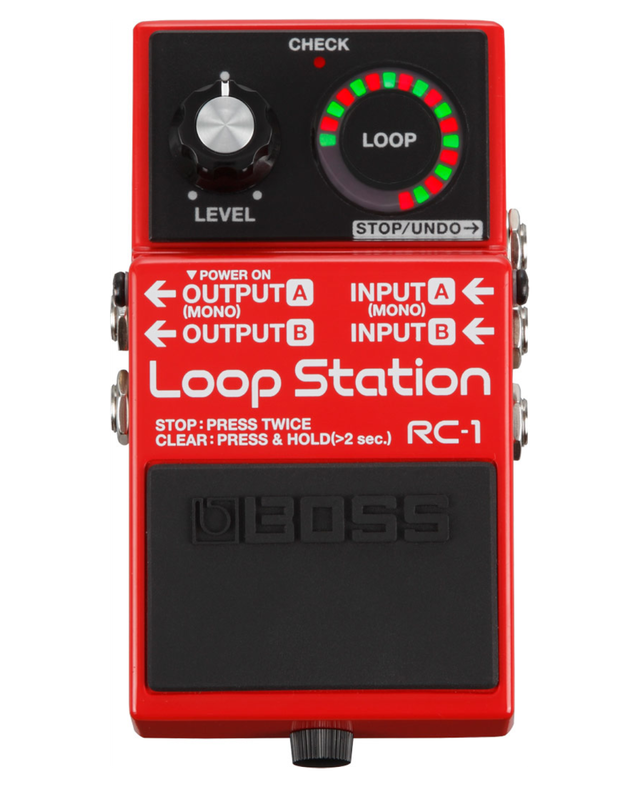
While often seen as "workhorses," Boss has consistently pushed the boundaries of effects technology. They were pioneers in compact digital delay (with the DD-2/3), introduced intelligent harmonizers, acoustic simulators, and brought compact looping to the masses with their RC series. More recently, their Waza Craft line offers premium, made-in-Japan versions of classic circuits with modern enhancements, demonstrating a commitment to both heritage and innovation. Their multi-effects units and amp modeling technology (like the GT-1000 and Katana amps) further showcase their willingness to adapt and evolve with the needs of modern musicians.
The Bottom Line
Boss pedals aren't just effects; they're an institution. Their unparalleled durability, reliable and inspiring tones, user-friendly design, and continuous innovation have cemented their place as a foundational element of the music industry. They are the dependable companions that stand the test of time, empowering countless musicians – from bedroom hobbyists to stadium-filling legends – to find and refine their unique voices.
Next time you're building out your pedalboard, remember why so many choose Boss: they're not just good, they're respected for a reason.
Refine by
Powered by Lightspeed
Display prices in:USD