Under the Hood: Inside the Build Quality and Kalamazoo Heritage of the Heritage Ascent
When an established brand introduces an accessible line, experienced guitarists usually raise an eyebrow. Too often, "budget-friendly" is corporate code for stripped hardware, sloppy fret ends, cheap zinc bridges, and paper-thin tone that requires immediate bench work and modding to become stage-ready.
When Heritage announced the Ascent Series, our team at Tone Tailors approached it with that exact skepticism. Heritage’s reputation was forged by legendary luthiers who stayed behind at 225 Parsons Street in Kalamazoo, Michigan, in 1985 to keep historic American guitar manufacturing alive. If an accessible line carried the Heritage name, the engineering had to honor that legacy—not just slap a vintage logo on generic factory imports.
To see what the Ascent is really made of, we brought these guitars into our repair and setup bay, pulled the cavity plates, and put the construction under the magnifying glass.
The 225 Parsons Street Blueprint: Kalamazoo DNA
Heritage didn’t simply outsource a generic single-cut blueprint. The Ascent was engineered around the structural principles that define Kalamazoo instruments:
The Signature Headstock Pitch & Geometry: Straight string pull through the nut remains a priority, minimizing friction at the break angle to keep open chords in tune and string bending effortless.
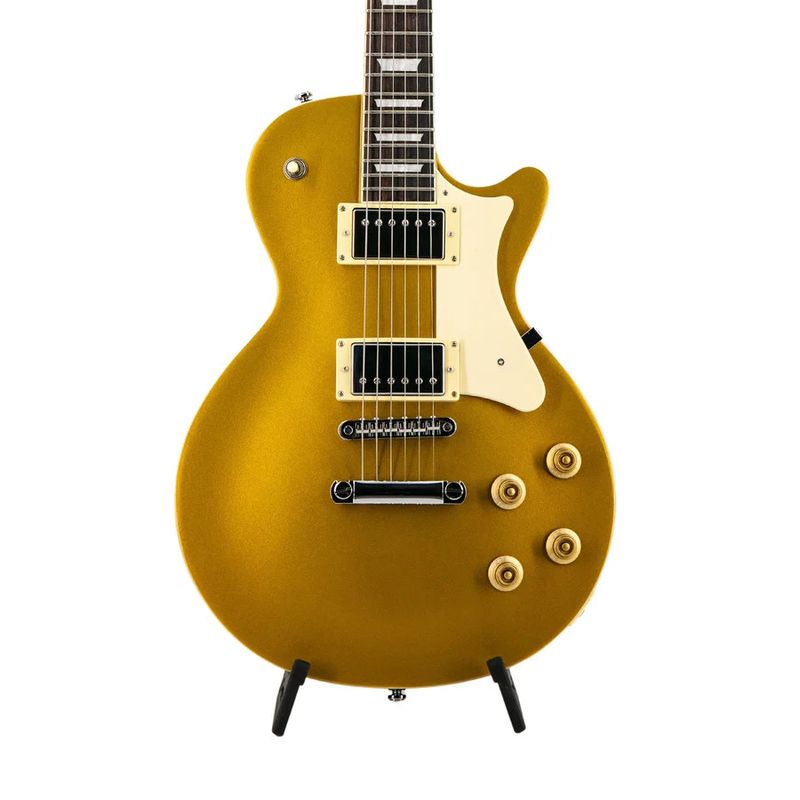
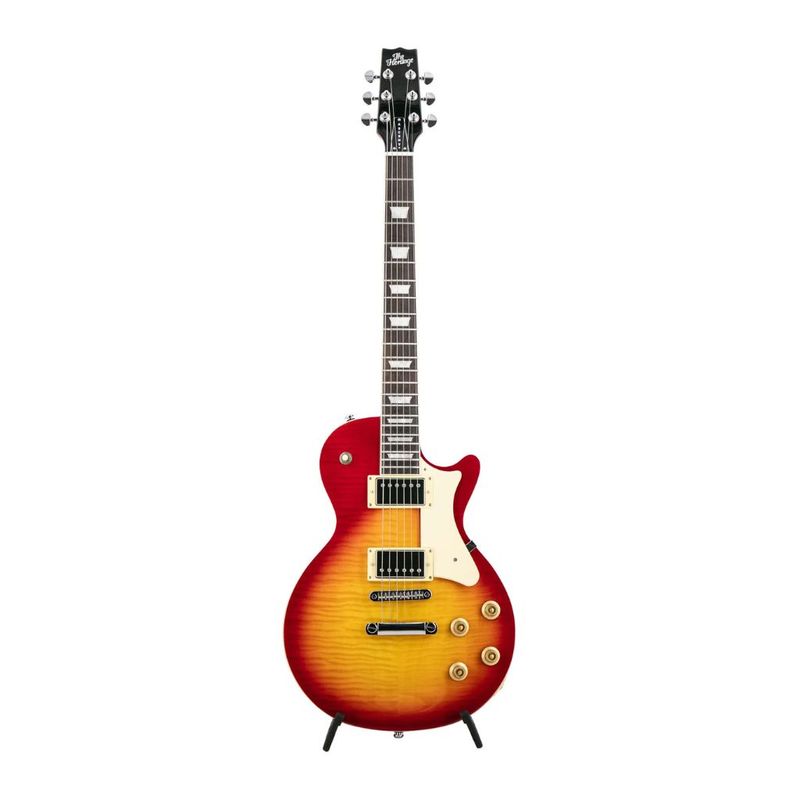
Carved Top Radiusing: Cheap single-cuts often feature flat, pancake-like slab bodies with minimal top radius. The Ascent H-150 carries a pronounced, vintage-accurate carve across the maple cap that mimics the arch and recurve seen on heirloom Kalamazoo builds.
Ergonomics Without Compromising Sustain: Historic single-cuts are famous for their back-breaking weight. Heritage designed the Ascent with intentional body contouring—specifically an ergonomic rear belly carve—that distributes mass comfortably against your ribs while keeping the body dense enough for singing low-end resonance.
Neck Joints and Structural Rigidity
A guitar's acoustic resonance lives in the mechanical transfer between neck and body. In the Ascent lineup, the engineering choices reflect an understanding of durability and energy transfer:
The Ascent Bolt-On (H-137 / Standard Models)
Built using hard rock maple seated into deep, tight-tolerance neck pockets.
There are no sloppy side gaps or thick paint pooling in the pocket. The wood-to-wood contact is clean and flush, resulting in a snappy attack, immediate transient response, and extreme road stability under varying touring temperatures.
The Ascent+ Set-Neck Construction (H-150 / H-535)
Traditionalists demanding vintage feel and response will appreciate the set-neck architecture on the Ascent+ tier.
Glued with precision-machined mortise-and-tenon joints, the heel is sculpted for comfortable higher-register fret access.
Pluck an unamplified E chord, and the vibration travels continuously through the headstock right into your chest.
Under the Cavity Cover: Wiring and Electronics
The easiest place for mass manufacturers to cut corners is inside the control cavity. We unscrewed the backplates to inspect the solder work and component quality:
Potentiometers & Sweeps: You won’t find on/off "light switch" potentiometers that jump from 0 to 10 with zero taper. The pots provide a smooth, progressive sweep that lets you roll back input volume to clean up an overdrive pedal without instantly losing top-end sparkle.
Shielding & Wiring Runs: Cavity walls are properly shielded with conductive paint, and lead dress is kept clean and tidy. Ground connections to the bridge stopbar are secure, keeping idle 60-cycle hum to an absolute minimum under high-gain rigs.
Pickups Voicing: Instead of generic ceramic pickups wound excessively hot, the Ascent humbuckers and P-90s are voiced with balanced, vintage-spec output. The cleans remain open and chiming; driven tones retain string-to-string separation inside dense open-voiced chords.
Hardware Integrity: Bridge, Saddles, and Frets
Tuners and bridges are the frontline defense against tuning drift. A look at the hardware reveals hardware choices designed for longevity:
Tune-O-Matic Bridge & Stopbar: Solid cast components with well-machined intonation screw threads that do not rattle or slip under aggressive palm-muting. The saddle slots are pre-notched cleanly without burs that break strings.
Fingerboard Dressing & Crown Work: The fingerboards (laurel on the standard Ascent, compound-radius rosewood on the Ascent+) feature uniform fret slotting. Frets sit flush against the wood without high spots that cause fret-choking during wide bends above the 12th fret.
Synthetic Bone Nut: Cut with correct string rake angles, preventing strings from binding and pinging out of tune during down-tuning or aggressive vibrato.
The Tone Tailors Bench Difference: Stage-Ready on Arrival
Even a brilliantly designed guitar requires human hands to reach its full potential. Wood moves as it travels across climates, and no factory box can account for your personal action preferences.
At Tone Tailors, we don't treat guitars like static SKUs in a warehouse. Before any Heritage Ascent leaves our shop for a customer anywhere in the country:
1. Truss Rod Adjustment: We eliminate seasonal backbow or relief to establish a flat, true fret plane.
2. Nut Slot Optimization: We check the nut slots to ensure first-fret action is effortless, eliminating the sharp intonation caused by pressing high-sitting strings.
3. Hardware & Electronics Audit: Output jacks, toggle switches, and bridge saddles are torqued, cleaned, and tested under real amplification.
4. Intonation & Radius Check: Saddles are intonated precisely against an electronic strobe tuner matching your preferred string gauge.
The Heritage Ascent proves that classic Kalamazoo lineage can be accessible without compromising the integrity of what a great guitar should feel like.
Find Your Heritage Ascent
Powered by Lightspeed
Display prices in:USD